Stress has become a common part of modern life, and finding effective ways to manage it is essential for both physical and mental health. Learning how to relax can help reduce the harmful effects of stress, improve mood, and boost overall well-being. Whether you are dealing with daily pressures, health challenges, or emotional strain, incorporating relaxation techniques into your routine can make a significant difference.
Relaxation is more than just taking a break or enjoying a hobby. It is a skill that lowers the body’s stress response, helping your mind and body recover from tension. With practice, you can use these techniques anywhere, anytime, without spending money or relying on special equipment. Below, we explore proven methods to relax, their benefits, and tips for incorporating them into your life.
Benefits of Learning How to Relax
Using relaxation techniques regularly can improve both physical and mental health. Some of the key benefits include:
- Reducing heart rate and blood pressure
- Improving breathing patterns
- Easing muscle tension and chronic pain
- Enhancing digestion and controlling blood sugar levels
- Boosting focus, mood, and mental clarity
- Promoting better sleep quality
- Lowering fatigue, anger, and frustration
- Increasing confidence in handling challenges
When combined with healthy habits such as regular exercise, balanced nutrition, sufficient sleep, and supportive social connections, relaxation techniques can significantly improve quality of life.
Types of Relaxation Techniques
Relaxation techniques generally involve focused attention and awareness of the body. Here are some of the most effective methods for learning how to relax:
1.Autogenic Relaxation
Autogenic relaxation focuses on calming your mind using mental imagery and body awareness. You repeat calming phrases or visualize a peaceful scene to reduce muscle tension and heart rate. For example, imagine lying on a quiet beach while focusing on slow, deep breaths. You can also mentally relax individual body parts one by one, such as your arms, legs, or shoulders.
2.Progressive Muscle Relaxation
Progressive muscle relaxation consists of systematically tightening and then relaxing various muscle groups.Start with your toes and gradually move up to your head, holding tension for a few seconds before relaxing. This technique helps you become aware of physical sensations caused by stress and teaches your body to release tension more effectively.
3.Visualization
Visualization uses mental imagery to transport yourself to a calming, peaceful place. Engage as many senses as possible—sight, sound, touch, and smell—to fully immerse in the experience. For example, imagine a forest with the scent of pine trees, birds singing, and sunlight warming your skin. Visualization can be enhanced by sitting quietly, closing your eyes, and focusing on your breathing.
4.Deep Breathing and Meditation
Controlled breathing exercises and meditation are simple yet powerful ways to learn how to relax. Focus on slow, deep breaths, inhaling through the nose and exhaling through the mouth. Meditation allows you to observe your thoughts without judgment, reducing mental stress and improving emotional balance.
5.Mind-Body Techniques
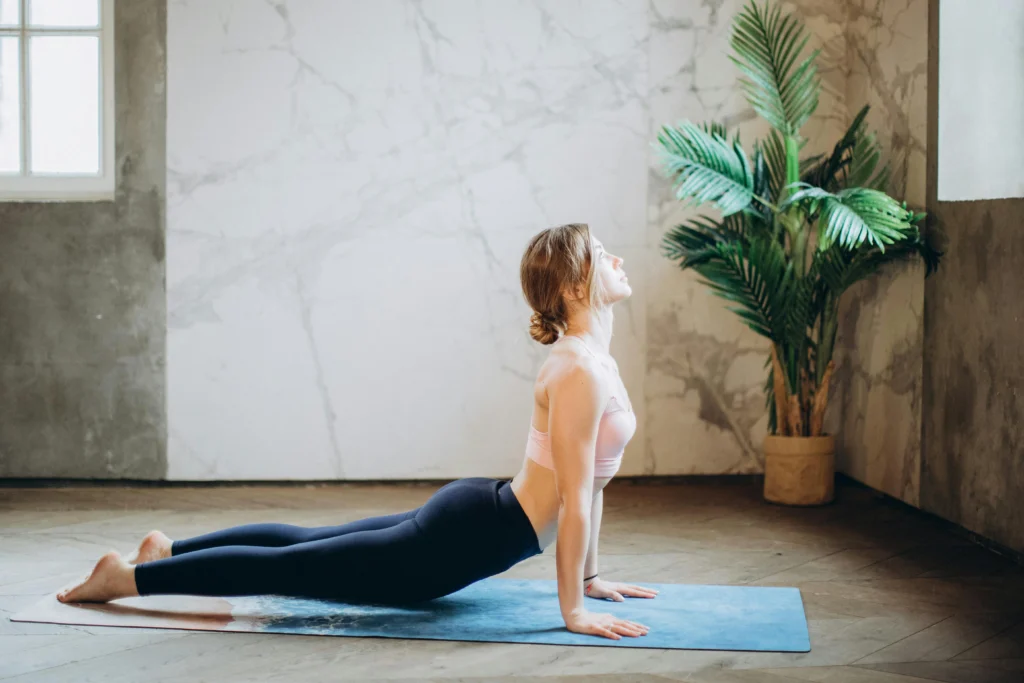
Practices such as yoga, tai chi, and qigong combine gentle movements, breathing, and mental focus to promote relaxation. These methods improve flexibility, strength, and posture while calming the mind and relieving tension.
6.Other Relaxation Methods
Additional techniques include aromatherapy, music therapy, hydrotherapy, massage, and art therapy. Experimenting with different methods helps you discover which ones resonate most with your body and mind.
Tips to Maximize Relaxation Benefits
To get the most from relaxation practices, follow these tips:
- Practice regularly to build skill and familiarity
- Find a quiet, comfortable space without interruptions
- Be patient; relaxation is a skill that improves over time
- Combine techniques with healthy lifestyle habits
- Adjust methods based on personal comfort and emotional response
Remember, some people may feel emotional discomfort during certain techniques. If this happens, stop and consult a mental health professional. Relaxation should reduce stress, not create it.
People Also Ask About How to Relax
Q: Are relaxation techniques effective for stress management
A: Yes, they reduce physical and mental stress responses and enhance overall health.
Q: Can I use relaxation techniques at work
A: Definitely, even short deep breathing or visualization exercises can lower stress at your desk.
Q: How quickly can I see results
A: Some benefits, like calmness and reduced tension, may appear immediately, while long-term effects improve with consistent practice.
Q: Do I need special training
A: No, many relaxation techniques can be learned on your own, though guidance from professionals can enhance results.
Q: Are there risks to relaxation techniques
A: Risks are minimal, but individuals with serious mental health conditions should consult a professional if emotional discomfort occurs.
Conclusion
Learning how to relax is an essential tool for improving mental and physical health. With consistent practice, relaxation techniques can reduce stress, improve focus, ease muscle tension, and enhance sleep. Start with methods like deep breathing, progressive muscle relaxation, or visualization, and explore other techniques to find what works best for you. Incorporating relaxation into your daily routine supports a balanced lifestyle, boosts resilience, and enhances overall well-being. By making relaxation a priority, you empower yourself to manage stress effectively and enjoy a calmer, healthier life.
Check Also:https://eromecoms.com/sodiceram/
FAQs
How long should I practice relaxation techniques each day
Start with 5 to 10 minutes daily and gradually increase as you become more comfortable. Even short sessions can improve stress management and overall well-being.
Can relaxation techniques help with chronic pain
Yes, relaxation reduces muscle tension and stress hormones, which can alleviate chronic pain and improve comfort.
What is the best relaxation method for beginners
Deep breathing, guided imagery, and progressive muscle relaxation are simple methods to start with, as they require minimal equipment and can be done anywhere.
How do I know if a relaxation technique is working
Notice reduced muscle tension, slower heart rate, calmer breathing, improved mood, or better focus. Relaxation effects may increase with consistent practice.
Can relaxation techniques improve sleep quality
Absolutely, regular practice can help calm the mind and body before bedtime, leading to more restful and uninterrupted sleep.
Musa Khan is a tech and business writer with 5+ years of experience covering the latest in technology, digital trends, and industry insights. He shares clear, helpful information to make complex topics easy for readers.