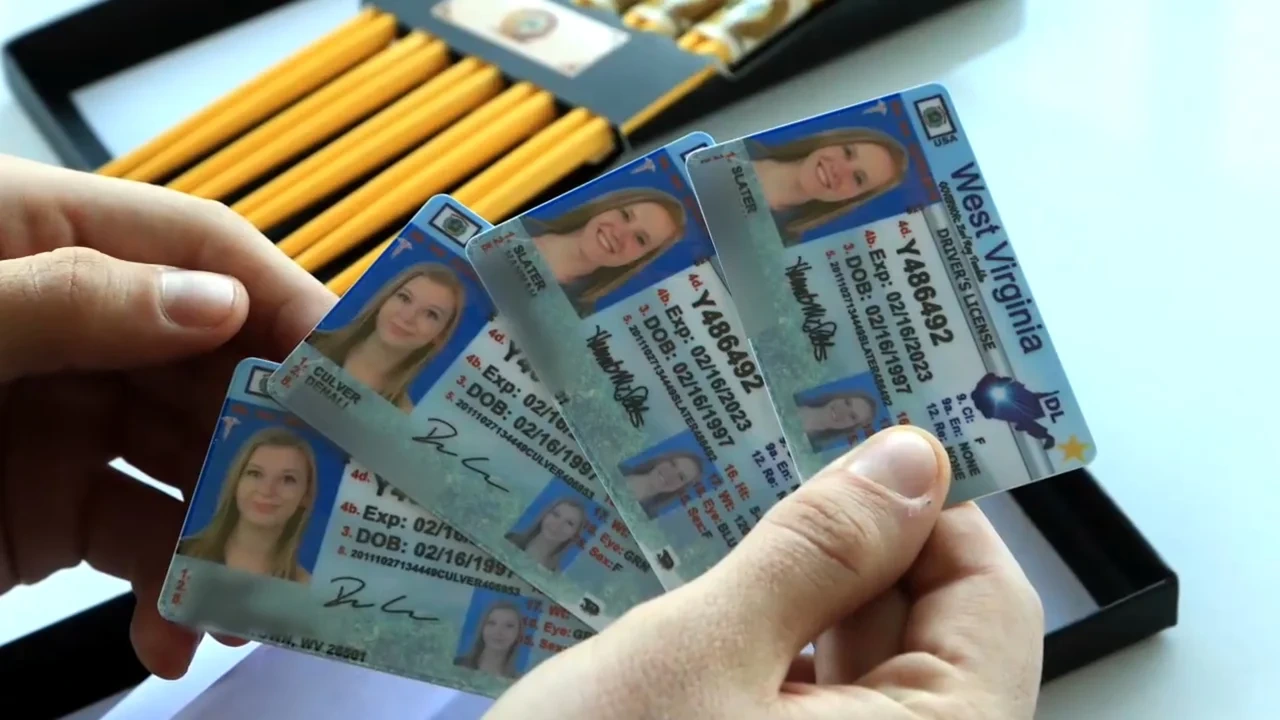
Fake identification has existed for decades, but modern technology has changed the scale of the problem. Governments and businesses now face IDs that look real at first glance. High resolution printers, design software, and better materials allow counterfeit documents to closely match official IDs. You might be wondering why this matters. It matters because these tools make detection harder and raise legal and security risks. One name that often appears in public discussion is idgod. This article explains how modern fake IDs are created, why they pass basic checks, and what risks they create.
What is IDGod and why is it widely discussed
People often describe IDGod as a large online source of counterfeit identification. The platform gained attention because users claim its IDs resemble state issued cards and pass basic scans. Conversations about idgod usually focus on young adults and how closely the designs match official formats. The key point is simple. Possessing or using fake identification is illegal in many countries. That action can lead to serious penalties.
From an educational view, IDGod shows how organized counterfeit groups operate today. These groups do not rely on random forgery. They follow repeatable production steps similar to legal printing services. That structure explains their consistency.
How have fake IDs evolved over time
Fake IDs changed as technology changed. Early versions used handwriting or typewriters. Inspectors could spot them quickly because details were missing. Printing and computing tools improved. As a result, counterfeit IDs improved too.
Personal computers and scanners allowed cleaner designs by the late twentieth century. Later, high end printers and online delivery let sellers reach more users. Vendors like idgod scaled faster because distribution moved online. This shift caused a clear effect. Manual inspection alone became less reliable.
What technology is used to create modern fake IDs
Modern fake IDs use materials, printers, and software together. Each part plays a role in realism.
Counterfeiters also copy security elements. These include holographic layers, UV reactive ink, and laser etched marks. Encoding software generates barcode or stripe data that matches printed information.
Groups linked to idgod often update templates when states change designs. This fast response explains why detection tools must also evolve.
How do fake IDs pass basic verification checks
Many locations rely on visual checks and simple scanners. Fake IDs target that weakness. If a card looks correct and a scan returns data, staff may accept it.
Some counterfeit cards include UV features that glow under blacklight. That detail helps them pass quick checks. However, appearance alone does not prove authenticity. Advanced systems review material structure, data logic, and biometric links. Fake IDs usually fail at that level.
What are the legal risks of using a fake ID
Using a fake ID brings serious legal consequences. Laws differ by region, but penalties often include fines, license suspension, or criminal charges.
Some states treat fake ID possession as a felony when linked to fraud. Federal document offenses carry even harsher penalties. Courts may mention idgod as a source, but that does not protect the user. Responsibility stays with the individual.
Legal trouble also creates long term effects. A criminal record can limit job options, education access, and travel.
What security risks do counterfeit IDs create for society
Fake IDs do not only affect users. They weaken age control systems, financial security, and public safety. Criminals can use false identities to hide activity, commit fraud, or cross borders.
Businesses that accept fake IDs face fines and license loss. Governments respond by investing in stronger verification tools. That cycle raises costs for everyone. Discussions around idgod often highlight how advanced counterfeits force faster security upgrades.
What does the future of ID verification look like
ID systems are moving toward biometrics and digital formats. Facial scans, fingerprints, and mobile IDs already support verification in many regions.
This shift reduces reliance on physical cards, but it creates new risks. Hackers target databases and mobile platforms. Analysts expect groups tied to idgod to test digital weaknesses next. The challenge ahead is clear. Systems must balance ease of use with strong security and privacy protection.
Wrapping Up
Fake IDs today rely on advanced materials, printing tools, and digital design. These changes make detection harder and increase legal and social risk. Names like idgod appear often because they represent organized counterfeit activity, not because they are unique. Using fake identification remains illegal and dangerous. Understanding how these IDs are made helps explain why stronger verification systems are necessary and why enforcement continues to evolve.
FAQs
Is using a fake ID illegal
Yes. Most jurisdictions ban fake IDs. Penalties may include fines, license suspension, or criminal charges based on intent and use.
Can fake IDs pass scanners
Some counterfeit IDs pass basic barcode or stripe scans. Advanced systems usually detect deeper inconsistencies.
Why are fake IDs harder to detect today
Better printers, improved materials, and accurate visual copying make manual checks less effective.
Do businesses face penalties for accepting fake IDs
Yes. Businesses may face fines, license loss, and legal action if they accept fake identification.
Will digital IDs eliminate fake identification
Digital IDs may reduce physical fraud, but cyber based identity abuse will likely replace it rather than disappear.

Musa Khan is a tech and business writer with 5+ years of experience covering the latest in technology, digital trends, and industry insights. He shares clear, helpful information to make complex topics easy for readers.