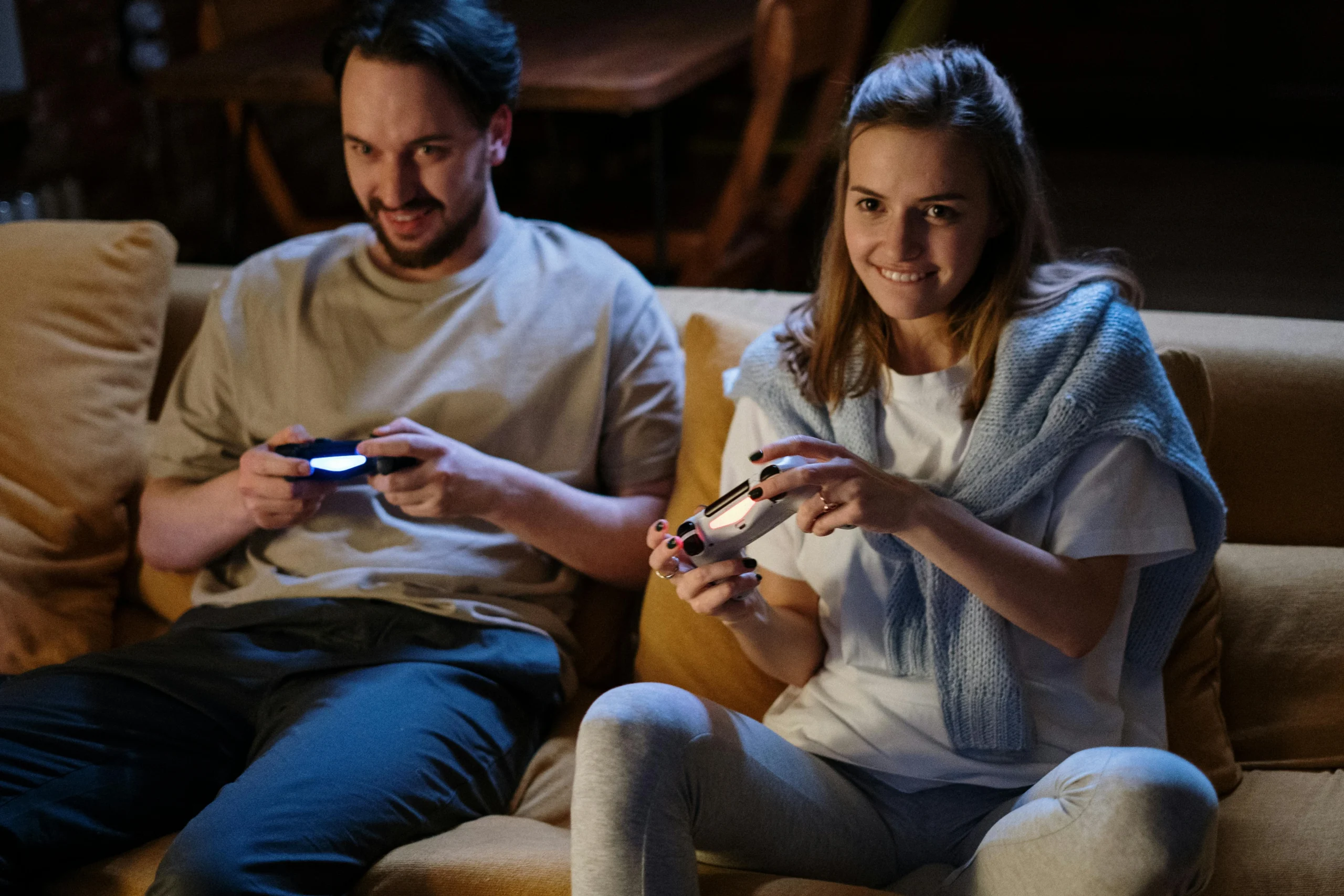
Competitive gaming has moved far beyond casual fun. Today, players want mastery, precision, and personal challenges that push their skill and discipline to the limit. This shift has created a new type of player called the gamer challenger. Unlike traditional players who follow the game’s default path, a gamer challenger sets personal rules, masters mechanics, and constantly improves. Whether competing online, imposing in-game restrictions, or refining strategies, this mindset turns gaming into a performance-focused pursuit. In this guide, we’ll explain how you can develop the skills, strategies, and habits to stand out in competitive gaming.
Understanding the Gamer Challenger Mindset
At its core, the gamer challenger mindset focuses on growth, not just winning. These players see games as systems to master rather than obstacles to finish. Every mistake becomes feedback, and every win becomes a lesson. Instead of blaming lag, teammates, or game balance, a gamer challenger takes responsibility and adapts.
Confidence is key. When facing pressure, a challenger trusts their decisions and sees risks as learning opportunities. This confidence comes from preparation, consistent practice, and honest self-review. Over time, this builds resilience, which is essential in competitive play where losses are common and progress is gradual.
Long-term thinking sets them apart. The goal isn’t quick victories but steady improvement. Tracking progress, analyzing mistakes, and adjusting strategies over time ensures that a gamer challenger outperforms naturally talented players who lack discipline or structure.
Physical and Mental Readiness for Competitive Play
Peak gaming performance relies on more than fast reflexes. Reaction time, focus, and decision-making are closely tied to physical and mental health. A gamer challenger knows neglecting the body limits performance.
Exercise improves circulation and supports brain function. Even light workouts help you stay alert during long gaming sessions. Nutrition matters too. Balanced meals maintain energy and prevent mental crashes, while proper hydration improves clarity and reduces fatigue.
Sleep is just as important. Consistent rest enhances memory, reaction speed, and emotional control. Competitive gaming demands sharp judgment, and tired players make mistakes easily. Mental health matters as well. Managing stress, staying motivated, and preventing burnout are crucial for long-term improvement.
Core Skills That Separate Elite Players
Being skilled goes beyond fast fingers. Visualization is a powerful tool. By imagining game scenarios, a gamer challenger prepares the brain to react under pressure. This builds confidence and reduces hesitation during critical moments.
Strategic thinking is another hallmark. Elite players anticipate, they don’t just react. Understanding opponents, recognizing patterns, and adjusting tactics gives a competitive edge. Map awareness, timing, and resource management all contribute to winning decisions.
Purposeful practice is essential. Focused sessions targeting weaknesses are far more effective than unfocused play. Reviewing recordings helps identify mistakes and missed opportunities. Regular, consistent practice strengthens habits and develops reliable muscle memory over time.
Equipment and Setup Optimization
While skills matter most, the right equipment can improve performance. A gamer challenger selects tools that support precision, comfort, and consistency—but doesn’t rely on gear to substitute practice.
High-refresh monitors make fast movements smoother, improving tracking accuracy. Responsive mice and mechanical keyboards reduce input lag. Ergonomic setups prevent strain and help maintain long gaming sessions. Organizing your space keeps distractions low and focus high.
Expensive gear isn’t required. Many top players succeed with standard setups. Familiarity and consistency with your tools matter more than constant upgrades.
Learning Through Community and Competition
Competitive gaming thrives on shared knowledge. Interacting with other players exposes you to new strategies and perspectives. Watching experienced gamers reveals decision-making patterns and efficient approaches.
Online platforms provide endless opportunities to learn and compete. Joining discussions and sharing feedback strengthens understanding and builds connections. Teaching others reinforces your own knowledge by forcing clear explanations.
Competition itself teaches lessons. Facing stronger opponents exposes weaknesses and pushes skill ceilings higher. A gamer challenger actively seeks challenging opponents rather than avoiding them. This willingness to embrace difficulty drives long-term improvement.
Types of Challenges That Build Mastery
Self-imposed challenges define advanced players. Removing safety nets forces deeper understanding and precision.
Speed-focused challenges test planning, execution, and efficiency. Survival-based challenges emphasize patience, awareness, and emotional control. Creative challenges encourage experimentation and problem-solving. Each challenge develops different skills and prevents stagnation.
By rotating challenge types, a player becomes adaptable, which is essential in competitive environments where unexpected situations are frequent.
Building a Long-Term Competitive Identity
Becoming a gamer challenger isn’t about reaching an endpoint. It’s about adopting a mindset of growth, discipline, and curiosity. This identity guides training, analyzing setbacks, and approaching new games.
Setting realistic goals keeps motivation high and provides direction. Tracking improvement reinforces confidence and highlights progress. Celebrating small achievements maintains momentum during difficult phases.
Over time, this mindset changes how you experience gaming. What once felt frustrating becomes rewarding. Effort replaces luck, and skill replaces randomness.
Final Thoughts
Competitive gaming rewards players who approach it with discipline, strategy, and adaptability. The journey of a gamer challenger involves constant improvement, mental resilience, and strategic thinking. By focusing on mindset, supporting physical and mental health, honing skills, and engaging with the community, players can reach levels far beyond casual play. The path requires patience and commitment, but the satisfaction of growth makes it worth the effort.
FAQs
What does the term gamer challenger mean?
It refers to a player who pushes personal limits through structured practice, self-imposed challenges, and competitive play to achieve mastery rather than simply finishing games.
Can beginners become competitive gamers?
Yes, beginners can become competitive by focusing on fundamentals, consistent practice, and gradual improvement instead of comparing themselves to advanced players.
How important is mindset in competitive gaming?
Mindset is crucial because it affects learning speed, emotional control, and long-term consistency, all of which directly influence performance.
Is professional equipment required to improve?
High-end equipment can help, but improvement primarily comes from practice, strategy, and analysis, not gear quality.
How long does it take to see progress?
Progress depends on effort, focus, and consistency. Noticeable improvement often appears within weeks of structured practice.

Musa Khan is a tech and business writer with 5+ years of experience covering the latest in technology, digital trends, and industry insights. He shares clear, helpful information to make complex topics easy for readers.