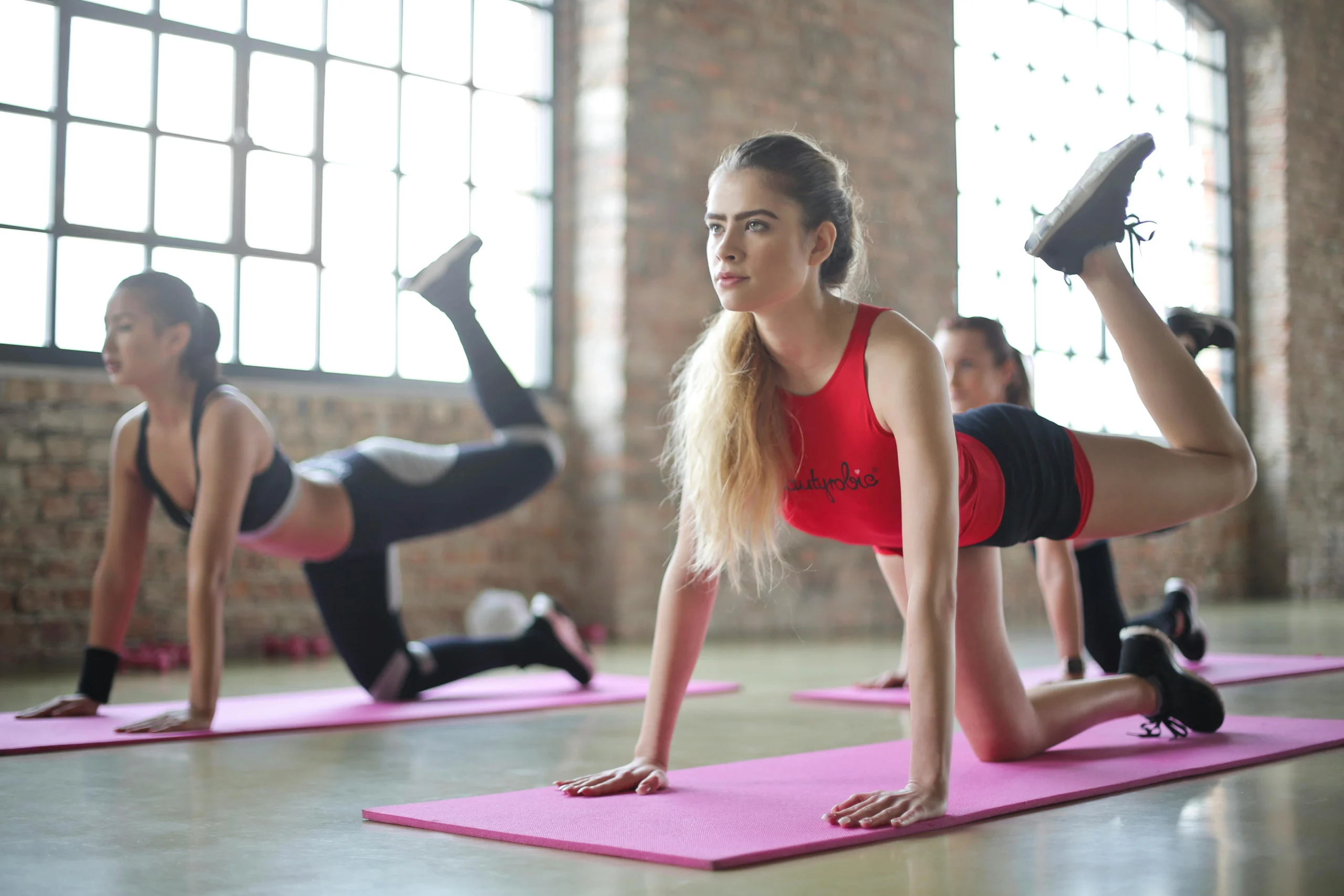
Yoga is an old practice that can make your body strong and your mind calm. It is never too late to start. Many people in the United States do yoga to stretch their bodies, feel less stressed, and be healthy. Right now, about one in seven Americans do yoga often. Some yoga moves look hard and fancy but there are easy ways for everyone. You can do yoga no matter your age, how fit you are, or if you are new.
If you are new to yoga, starting with beginner yoga is best. It helps you feel confident, learn the right way to do moves, and make a daily habit. This guide tells you what you need to start safely. You will learn simple poses, find classes, see what equipment can help, and get tips to practice often. Before you start, it is good to talk to a doctor to make sure yoga is safe for you.
What Is Yoga?
Yoga is a very old practice from India. It mixes body moves, breathing, and paying attention to your mind. Yoga is not just exercise. It helps your body stay strong and flexible and your mind stay calm and happy. There are many types of yoga. Some are soft and slow. Some are harder and make your body work more.
Yoga is about moving your body with care and thinking about what you are doing. Experts say any practice that uses breathing, paying attention, and body control is yoga. If you are new, you can start slowly and try different ways to see what feels best for you.
Health Benefits of Yoga
Practicing yoga for beginners consistently offers a wide range of benefits, including:
- Doing yoga for beginners often can help you in many ways:
- Make your body bendy and your joints move easier
- Make your muscles strong and your body toned
- Help you notice your body more and stand or sit better
- Help you feel less worried and stressed
- Help keep your weight healthy
- Keep you safe from getting hurt
- Make aches and pains feel better
- Help your mind feel calm and happy
The kind of yoga you pick can change the benefits you get. Some yoga is hard and makes your body strong and your muscles last longer. Some yoga is calm and helps your mind feel clear and relaxed.
Essential Yoga Poses for Beginners
Starting with simple poses is very important when you begin yoga. It helps you feel confident and safe. Pay attention to how your body is placed and how you breathe. Stay in each pose for a few breaths before you move. Here are some basic poses to try:
- Child’s Pose (Balasana): Knees on your mat. Touch your big toes together and move your knees apart. Lean forward and let your body rest. This pose helps you feel calm and can give your body a little break.
- Downward-Facing Dog (Adho Mukha Svanasana): Begin on your hands and knees. Lift your hips up and make your back long. This pose stretches your whole body and helps blood move better.
- Low Lunge (Anjaneyasana): Step one foot forward from downward dog. Put your back knee down and lift your body up. This stretch helps your hips feel loose and opens your chest.
- Cobra Pose (Bhujangasana): Lie on your tummy. Put your hands under your shoulders and lift your chest. Gently bend your back. This pose helps you stand and sit up straight.
- Chair Pose (Utkatasana): Stand with feet hip-width apart, bend your knees, and raise your arms overhead to strengthen the legs and core.
- Extended Side Angle Pose (Utthita Parsvakonasana): Opens the chest, strengthens the legs, and enhances balance.
- Pigeon Pose (Eka Pada Rajakapotasana): Targets the hips for flexibility and releases tension in the lower body.
- Bridge Pose (Setu Bandha Sarvangasana): Lie on your back. Press your feet into the floor and lift your hips. This pose makes your back strong and helps you sit and stand up straight.
- Tree Pose (Vrksasana): Standing balance pose that improves focus and stability.
- Corpse Pose (Savasana): End the session with total relaxation, focusing on breath and calming the mind.
Types of Yoga Classes
There are many types of yoga. Each one helps in different ways. Beginners can try these:
Trying different styles allows beginners to find the approach that best suits their physical abilities and personal goals.
Tips for Practicing Yoga for Beginners
Yoga Gear Essentials
Even simple yoga tools can make practice easier:
These items are especially helpful for beginners, making poses more accessible and reducing the risk of strain or injury.
Wrapping Up
Yoga is a fun practice that helps your body, mind, and feelings. Starting with yoga for beginners helps you learn the basics, make your body strong, bendy, and balanced, and feel less stressed. With the right help, simple tools, and practicing often, anyone can enjoy all the good things yoga brings.
You can do yoga at a studio or at home. Doing it every day helps you stay healthy, think clearly, and live happily. Even starting today with a few easy poses can help you feel better for a long time.
People Want To Know
Q1: How often should a beginner practice yoga for best results?
A1: Beginners can start with yoga for beginners once or twice a week. Gradually, they can increase frequency as their flexibility and comfort improve. Consistency is more important than intensity at first.
Q2: Do I need special equipment to start yoga for beginners?
A2: No, you only need a comfortable yoga mat. Optional props like yoga blocks, straps, or bolsters can help with support and alignment but are not mandatory.
Q3: Can beginners do yoga at home without a teacher?
A3: Yes, beginners can follow online classes or apps designed for yoga for beginners. Make sure to start slow, follow instructions carefully, and focus on your breath and posture.
Q4: Is yoga suitable for people with limited flexibility?
A4: Absolutely. Yoga for beginners is adaptable to all fitness levels. Start with gentle poses, use props for support, and progress gradually to increase flexibility and strength.
Q5: How long does it take to see benefits from yoga for beginners?
A5: Most beginners notice improvements in stress relief, posture, and flexibility within 2–4 weeks of consistent practice. Benefits increase over time with regular sessions and mindful practice.

Musa Khan is a tech and business writer with 5+ years of experience covering the latest in technology, digital trends, and industry insights. He shares clear, helpful information to make complex topics easy for readers.