Planning for the future can feel big and tricky. You might be a boss, a researcher, or someone who makes new ideas. Normal ways to guess the future try to look at what is happening now but they do not always show the best way to reach big dreams.
This is where backcasting helps. Backcasting is a smart way to plan. First you think about your big goal at the end. Then you go backward step by step to see what you need to do to get there.
A backcasting room is a special place where people work together to use this idea. In this guide we will talk about what backcasting is. We will show how a backcasting room works in different jobs. We will also explain how it helps people and teams reach their goals faster and better.
Understanding Backcasting
Backcasting is a smart way to plan. It works the opposite of normal guessing about the future. Instead of looking at what is happening now and hoping for the best, you start with what you want to happen in the end. Then you figure out the steps you need to take to get there.
This way every choice, every action, and every thing you spend money or time on helps reach your big goal. For example, if a company wants to make no carbon pollution by 2035, they can use backcasting to plan all the little steps. They can decide what rules, plans, and work they need to do to hit that target.
By looking at the end first, backcasting makes planning clear and simple. It shows the path better than normal planning that only guesses what might happen.
Importance of Backcasting
Backcasting is very helpful when things are tricky or confusing. It helps teams see what is most important and not get lost in small stuff.
Companies, governments, and research teams can all use backcasting. It helps them make better choices and use their time and money in smart ways.
By starting with a clear big goal and working backward, backcasting stops people from wasting effort. It also helps them reach big dreams faster and better.
Backcasting in Film and Entertainment
In movies, a backcasting room is very important. It helps pick the right actors for each role. Instead of just trying actors in auditions, the team first thinks about what the character is like. They look at things like funny, serious, or strong. Then they find the actor who naturally fits the character.
This way the actor can play the role perfectly from the start. It makes filming easier and keeps the movie close to the director’s idea.
The room has big screens, special casting software, and books or notes to help the team choose the best actors quickly and smartly.
Backcasting in Business Planning
Businesses use backcasting to turn big dreams into real plans. Companies that want to grow, be green, or make new things first think about what they want the future to look like.
A backcasting room is a special place where teams work together to plan the steps to reach those goals. For example, if a company wants no carbon pollution by 2050, they can make a plan to use less energy, switch to clean technologies, and make their work run better.
By breaking big goals into smaller steps, backcasting helps the company stay focused and do what they promised.
Creating a Back Casting Room for Business
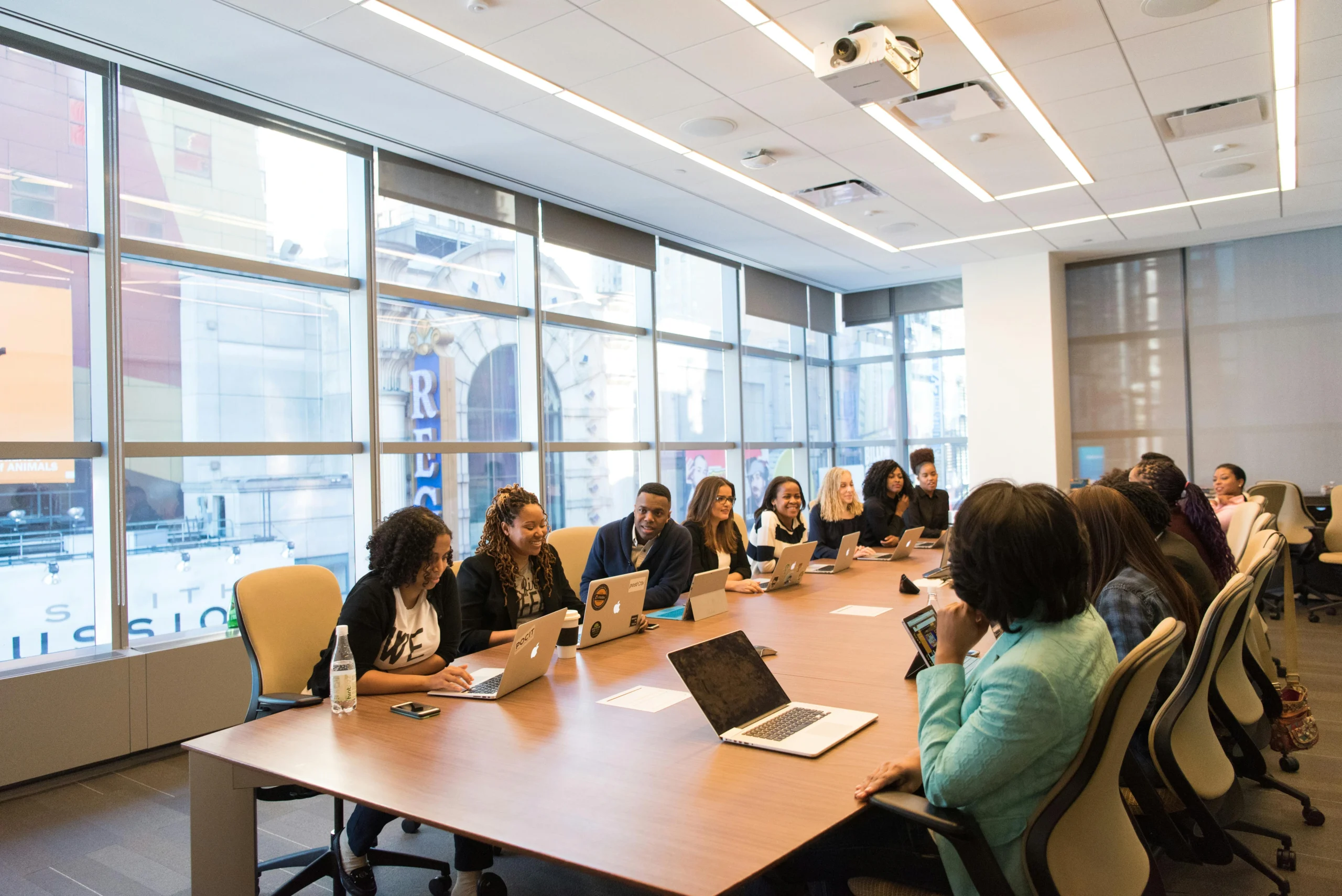
A good backcasting room in a business should help people work together and think of new ideas. It should have things like whiteboards, computers, project tools, and charts to show information.
These things help the team share ideas, see how work is going, and plan the best steps to reach big goals. The room should be easy to move around in, with chairs and space for group activities so everyone can talk and work together.
When the right space is combined with clear steps, teams can use backcasting in a real and useful way to reach success.
Backcasting in Scientific Research
Researchers use backcasting to solve big, tricky problems like climate change, health, and protecting the planet. They start by thinking about the goal they want to reach. Then they work backward to figure out what experiments, rules, or actions will help get results.
For example, if scientists want to keep the world from getting too hot by 1.5°C, they can plan to use clean energy, save energy, and make less pollution in important areas.
A backcasting room for research has special tools like simulation software, climate models, and charts to help scientists make smart choices and see how different actions will work.
Benefits of a Back Casting Room
A backcasting room helps people in many jobs in lots of ways:
Key Considerations for Setting Up a Back Casting Room
To make a backcasting room work really well, it should help people work together and use technology. The room should be open, have comfy chairs, and have things like whiteboards, projectors, and screens so everyone can join in.
Teams should also have software to manage projects, show data, and plan different scenarios.
No matter if it is for business, making movies, or doing science, a well-made backcasting room helps people make smart choices together and reach their goals faster.
People Also Ask
Q: What is a back casting room used for?
A: A back casting room is a dedicated space for teams to collaborate and plan by working backward from a desired goal, ensuring each step aligns with the end objective.
Q: How does backcasting differ from forecasting?
A: Forecasting predicts the future based on current trends, while backcasting starts with a defined goal and identifies the steps necessary to achieve it.
Q: Can backcasting be applied to business strategy?
A: Yes. Businesses use backcasting to set long-term goals, create action plans, and allocate resources efficiently toward desired outcomes.
Real-World Applications
Wrapping Up
A backcasting room is a very helpful tool for planning, working together, and reaching big goals. People can use it in business, movies, science, or school. Backcasting helps teams see clearly, stay focused, and make easy step-by-step plans.
By starting with the goal and working backward, teams can work together, see problems before they happen, and make smart choices that help them move faster.
Having a backcasting room with the right tools means big goals can really happen. Teams can work with care, think of new ideas, and stay responsible for their plans.
FAQs
1: How does a back casting room improve team coordination?
It centralizes planning efforts, ensures alignment on objectives, and provides a space for structured brainstorming and collaboration.
2: Can backcasting help with sustainability goals?
Absolutely. By identifying the steps needed to reach environmental targets, teams can implement strategic actions and track progress efficiently.
3: Is backcasting suitable for small businesses?
Yes. Even small teams can use backcasting to define objectives, break them into actionable steps, and prioritize resources effectively.
4: How often should a back casting room be used?
Ideally, teams use it regularly during strategic planning sessions, project reviews, or when setting long-term goals.
5: Does backcasting guarantee success?
While it does not guarantee results, it provides a structured roadmap that increases the likelihood of achieving long-term objectives and reduces wasted effort.

Musa Khan is a tech and business writer with 5+ years of experience covering the latest in technology, digital trends, and industry insights. He shares clear, helpful information to make complex topics easy for readers.