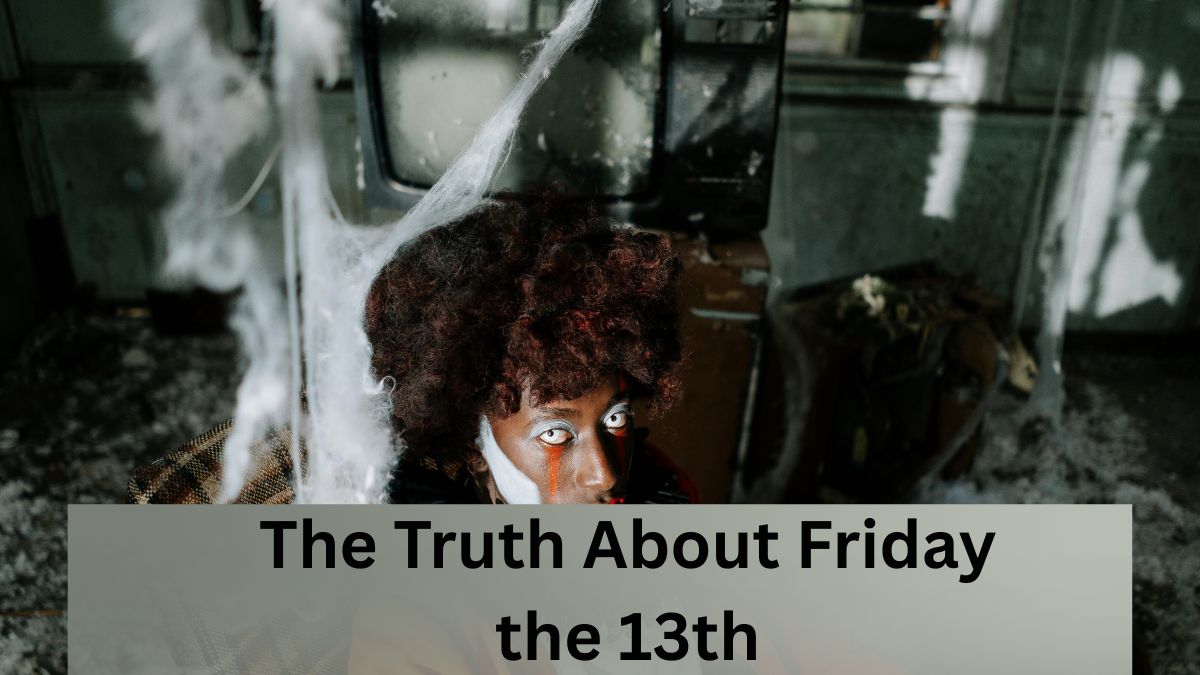
If you are even a little superstitious, you may be eyeing the calendar this week.
With another Friday the 13th approaching, questions are resurfacing: What is Friday the 13th? Why is it considered unlucky? And how many Friday the 13th dates will 2026 actually bring?
Here’s what history, folklore experts, and pop culture tell us.
What Is Friday the 13th — and Why Is It Feared?
At its core, Friday the 13th is simply a date that falls when the day of a month lands on a Friday. Yet over time, it has evolved into one of the most widely recognized superstitious days in Western culture.
So, what is the significance of Frid—as many online searches phrase it—especially when tied to the number 13?
Folklorists explain that both Friday and the number 13 carried negative associations separately long before they were paired together. Thirteen has historically been viewed as unlucky in various traditions, often symbolizing disruption or imbalance. Meanwhile, Friday has been linked in some Christian traditions to unfortunate events.
According to Stephen Winick, a folklore specialist at the American Folklife Center at the Library of Congress, the superstition grew largely through repetition. As he noted in an NPR interview, people often refer to the date as unlucky without fully explaining why — and over time, that repetition cements belief.
In other words, the fear may be more cultural than factual.
How Many Friday the 13th Dates Are There in 2026?
If you’re wondering, “Is tomorrow Friday the 13th?” — it’s always worth checking the calendar carefully.
In 2026, there will be three Friday the 13th dates. Because it is not a leap year and one falls early in the year, the calendar alignment creates multiple occurrences.
That means anyone tracking Friday the 13th 2026 dates will see the superstition pop up more than once — including one close to Halloween season, when the eerie vibes already run high.
For businesses, especially tattoo and piercing studios, that’s welcome news.
From Superstition to Pop Culture Phenomenon
While folklore laid the groundwork, Hollywood turned Friday the 13th into a cultural juggernaut.
The Friday the 13th movie franchise debuted in 1980 and became one of the most successful horror series ever made. The films introduced audiences to Jason Voorhees, the masked killer whose hockey mask became an enduring symbol of horror.
The Friday the 13th 2009 cast, which included actors like Jared Padalecki and Danielle Panabaker, helped revive the franchise for a new generation. The series has also inspired a television spinoff and even a Nintendo video game, solidifying its place in entertainment history.
Interestingly, Jason’s hockey mask — often searched as the “Friday the 13th mask” — has no actual connection to the date itself. Within the films, the mask served to conceal the character’s disfigured face, but in pop culture, it became shorthand for the spooky day.
Friday the 13th Tattoos: From Fear to Flash Sales
In recent years, the superstition has taken on a new life — not as a warning, but as a marketing opportunity.
Across the U.S. and internationally, tattoo shops now host major Friday the 13th tattoos events. These often include discounted flash designs, themed artwork, and long lines of eager customers.
Search trends for “Friday the 13th tattoos near me” and “tattoo Friday the 13th” spike dramatically ahead of each occurrence.
What began as a niche promotion has become a full-fledged tradition. Some studios also offer piercing specials, expanding the once-simple superstition into a day of community gatherings and creative expression.
For many, the date is less about bad luck and more about scoring affordable ink.
Friday the 13th Eve and Modern Traditions
The rise of social media has added another layer to the superstition.
The night before — often dubbed Friday the 13th eve — has become an unofficial pre-celebration. Horror marathons, themed parties, and nostalgic rewatches of the film series are common.
Meanwhile, others lean into classic superstitions for fun:
- Don’t walk under a ladder
- Avoid breaking a mirror
- Skip opening an umbrella indoors
- And if a black cat crosses your path? Maybe just give it a pet
Even skeptics admit the date carries an undeniable cultural energy.
Why Friday the 13th Still Captivates Audiences
Despite modern skepticism, Friday the 13th continues to trend year after year.
Part of its staying power lies in storytelling. Superstitions create shared experiences. They invite conversation, curiosity, and even playful fear.
The horror franchise amplified that mystique, while tattoo and piercing traditions reinvented it for a new generation.
Whether you’re researching the Friday the 13th 2009 cast, hunting for local tattoo deals, or simply asking, “Is tomorrow Friday the 13th?” — the date remains deeply embedded in pop culture.
The Bottom Line
Friday the 13th may have started as a loosely defined superstition, but today it’s a cultural event — blending folklore, film history, and modern-day marketing.
With multiple Friday the 13th dates appearing in 2026, expect renewed interest, themed events, and plenty of hockey mask memes.
Unlucky or not, one thing is certain: the date isn’t disappearing anytime soon.
And whether you choose to stay home, book a tattoo appointment, or host a horror movie night, Friday the 13th continues to prove that sometimes, superstition is simply good storytelling.

Saqlain is a creative digital content creator with over 5 years of experience in producing engaging and visually unique content. With a strong focus on originality and storytelling, Saqlain continues to share meaningful moments that connect with a growing audience online.