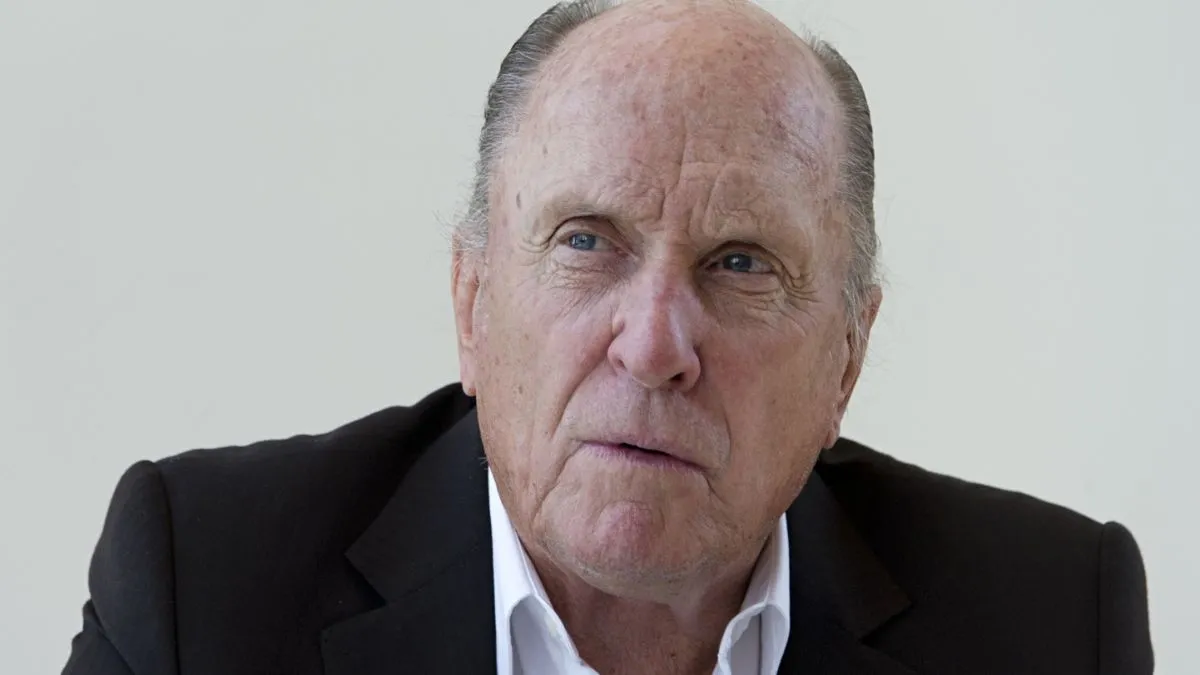
For more than six decades Robert Duvall stood as one of the quiet pillars of American cinema.
In one of his final in-depth conversations before his passing at 95, the Oscar-winning actor reflected on The Godfather, his career-defining roles, and the craft that shaped his extraordinary legacy.
His words now carry a deeper weight. They feel less like promotion and more like a farewell from a master storyteller.
A Career That Helped Define Modern Hollywood
Robert Duvall built a résumé that reads like a blueprint for serious American filmmaking. From Tom Hagen in The Godfather to Lt. Col. Kilgore in Apocalypse Now, his performances did not rely on flash. They relied on truth.
He was never the loudest presence in the room. Yet he was often the most grounded.
Across films like Tender Mercies, The Apostle, and Lonesome Dove, Duvall became known for portraying men wrestling with morality, pride, faith, and identity. His Oscar-winning turn as Mac Sledge in Tender Mercies remains one of the most restrained performances ever awarded by the Academy.
For younger audiences discovering his work through streaming, Duvall’s catalog feels like a masterclass in character acting.
Robert Duvall Reflects on The Godfather
When Robert Duvall reflects on The Godfather, he does so without ego. He spoke with admiration for director Francis Ford Coppola and deep respect for co-stars like Marlon Brando and Al Pacino.
Tom Hagen was not the most explosive character in the Corleone family. He was the calm center. The adopted son who handled business with precision while chaos unfolded around him.
Duvall understood that subtlety was Hagen’s power.
He once described Brando not as intimidating but as commanding. There was respect on that set. Not fear.
That perspective challenges decades of mythology surrounding the film’s production. It reminds fans that behind the legends were working actors focused on craft.
More than 50 years after its release, The Godfather still shapes how Hollywood tells stories about power, loyalty, and family. Duvall’s contribution remains essential to that legacy.
The Role He Cherished Most
While many fans associate him primarily with The Godfather or Apocalypse Now, Duvall often pointed to Lonesome Dove as the role that meant the most to him.
He believed the Western was America’s native storytelling tradition. In his view, other cultures had Shakespeare or Chekhov. The United States had the Western.
His portrayal of Augustus McCrae became iconic particularly in Texas where the miniseries remains a cultural touchstone.
That connection to American identity defined much of his work. Whether playing a preacher in The Apostle or a country singer in Tender Mercies, Duvall gravitated toward deeply rooted American characters.
Football, Film and the Late Career Cameos
Few fans realize how much football meant to him. Growing up in St. Louis he played defensive back in high school. The sport remained a lifelong passion.
That love drew him to the 2021 drama 12 Mighty Orphans, where he appeared in a small but meaningful role supporting a story about resilience and underdogs during the Great Depression.
He reunited briefly with Martin Sheen on that project. Their shared history from Apocalypse Now added emotional resonance to even a short scene.
Even into his nineties Duvall showed no strong desire to retire. He remained open to small roles if the character intrigued him. That curiosity never faded.
What Made Robert Duvall Different
In an era increasingly driven by celebrity branding, Robert Duvall represented something steadier.
He rarely chased trends. He avoided spectacle off-screen. He focused on character.
He once admitted there were roles he turned down including the lead in Jaws. Yet he did not dwell on regret. His philosophy suggested that the right roles find you if you stay patient.
That mindset reflects a generation of actors trained in theater discipline before blockbuster culture transformed the industry.
For film historians his career bridges the New Hollywood movement of the 1970s with modern prestige cinema. Few performers maintained that level of relevance across such a span.
Why His Final Reflections Matter
The renewed interest around questions like when did Robert Duvall pass away or what was Robert Duvall’s most acclaimed role highlights how deeply audiences value his work.
His passing at 95 marks the end of an era that included To Kill a Mockingbird, Network, The Godfather Part II, and many other milestones.
But his final reflections offer something more personal than awards or box office numbers.
They show a craftsman still curious. Still thoughtful. Still grounded.
For aspiring actors his interviews now serve as informal lessons in longevity. For longtime fans they provide closure.
The Legacy of a Reluctant Icon
Robert Duvall never seemed interested in being larger than life. Ironically that restraint made him unforgettable.
He built characters from the inside out. He valued discipline over drama. He embraced collaboration over ego.
When he looked back at The Godfather or Apocalypse Now, he did not center himself. He spoke about the ensemble. The director. The work.
That humility may be the most powerful part of his legacy.
As Hollywood continues to evolve through streaming wars franchise fatigue and shifting audience tastes, Duvall’s body of work stands as a reminder that authenticity endures.
His performances will continue to introduce new generations to the power of subtle acting.
And when Robert Duvall reflects on The Godfather, it feels less like nostalgia and more like a torch quietly being passed.
What is your favorite Robert Duvall performance? Share your thoughts and celebrate the moments that made him one of American cinema’s most respected artists.
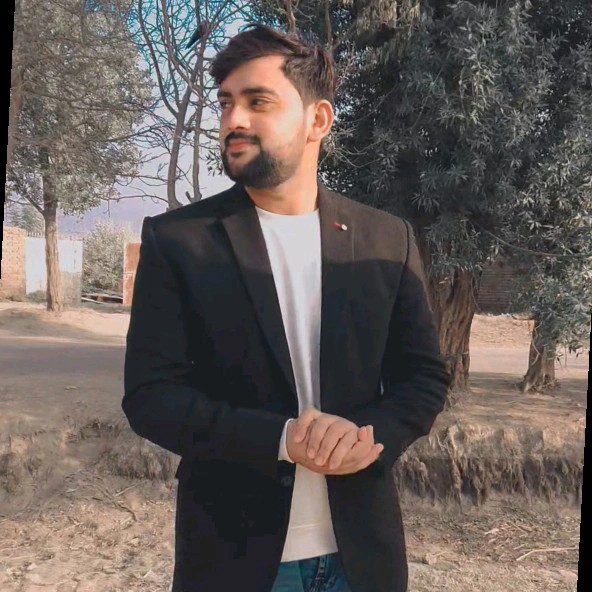
Saqlain is a creative digital content creator with over 5 years of experience in producing engaging and visually unique content. With a strong focus on originality and storytelling, Saqlain continues to share meaningful moments that connect with a growing audience online.